The Long Way Around: Anime Arcs Where the Detour Became the Whole Point
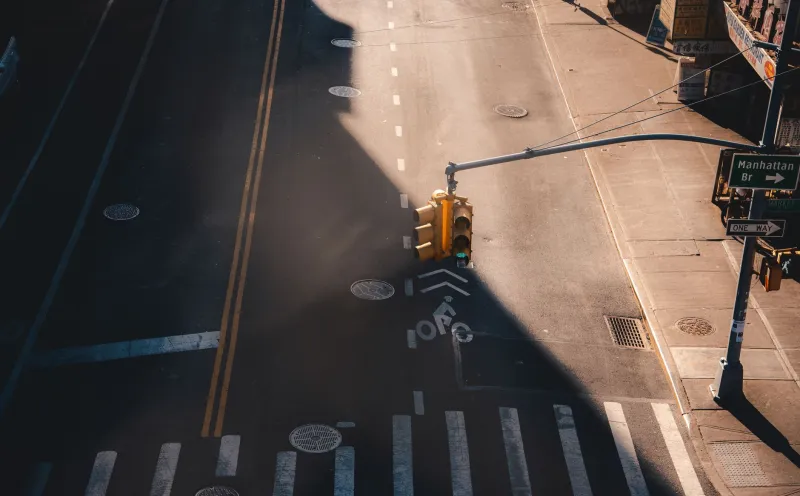
There's a specific kind of ache that comes with watching an anime character stand at the edge of everything they've been fighting toward — and then get pulled sideways. Not defeated, not destroyed, just... redirected. Sent somewhere unexpected. Made to wait. And somewhere in that waiting, something cracks open.
Detours in anime aren't just plot devices. At their best, they're the whole story. The journey home gets interrupted, stretched, or rerouted until the character asking the question "will I ever get back?" eventually has to ask a harder one: "Do I even want to?"
Let's talk about the arcs that did this best — and why they hit American fans so differently than we expected.
Ed Elric and the Alchemist's Bargain
Fullmetal Alchemist: Brotherhood is technically a story about two brothers trying to get home — to their original bodies, to their mother's house, to the life that was stolen from them before they were old enough to understand what they were sacrificing. Edward and Alphonse Elric know exactly where they want to end up. The map is drawn. The goal is clear.
And then Amestris tears them apart, again and again.
What makes FMA's detours so effective isn't that they delay the resolution — it's that each one quietly dismantles the premise. By the time Ed reaches the end, the question isn't whether he can restore Al's body. It's whether the version of himself that arrives at that moment is still the same kid who made the original mistake. He isn't. That's the whole point.
The Ishval arc in particular functions as one of anime's most brutal wrong turns. It's not on the brothers' map at all. It belongs to Mustang and Hughes and Hawkeye — and yet it reshapes everything Ed thought he understood about the world he was trying to save. You can't unsee what you learn there. Neither can he.
Eren Yeager's Unforgivable Shortcut
Attack on Titan does something almost cruel with its detour structure. For the first two seasons, the narrative is a straight line: survive, push back, find out what's in the basement. Home — the idea of a safe, free world — is the destination. It feels achievable, if distant.
Then the basement opens and the story explodes outward.
Eren's arc becomes the most extreme version of a detour anime has ever attempted. He doesn't just get sidetracked — he becomes the sidetrack. He transforms from the character trying to reach a better world into the force that makes that world unrecognizable. By the time we reach the final arc, "home" as a concept has been weaponized, mourned, and buried.
What makes this resonate so deeply with American fans — especially those who grew up post-9/11, who came of age watching idealism get complicated — is the familiarity of that collapse. The question "what were we even fighting for?" doesn't stay in Paradis. It travels.
Itadori's Detour Has No Destination
Jujutsu Kaisen operates on a different register. Yuji Itadori doesn't have a home to return to in the traditional sense. His grandfather is gone. His old life is gone. The detour begins before the story does.
What JJK does instead is more uncomfortable: it keeps sending Yuji through experiences that should define him — that should give him a destination, a reason, a direction — and then it takes those away too. Shibuya isn't a detour in JJK. It's an erasure. Characters who felt like anchors disappear. The world Yuji was learning to navigate restructures itself without warning.
For fans watching in real time, this hit differently than binge-watching would allow. There was no fast-forwarding through the grief. You sat with it, weekly, and felt what Yuji was feeling: the disorientation of having the road home vanish under your feet.
Why Detours Hit Us Where We Live
Here's what makes these arcs land for American audiences specifically: we are a culture that loves a clear narrative arc. The hero's journey, the comeback story, the redemption — we want the return. We grew up on it.
Anime, at its most ambitious, refuses that comfort. It says: the detour isn't a delay. It's the education. You can't get home the same way you left because you are not the same person who left.
A lot of people reading this have probably lived a version of this. The gap year that turned into three. The job that was supposed to be temporary. The relationship that rerouted everything. The moment you realized the hometown you were trying to get back to had changed — or you had — and the two no longer fit together the way you remembered.
Anime holds that experience without flinching. It doesn't promise you'll make it back. It promises that wherever you end up, you'll understand why the long way mattered.
The Detour as Identity
What all three of these series share — FMA, AoT, JJK — is a willingness to let the detour become the character's defining text. Ed's transmutation scars. Eren's radicalization. Yuji's hollow eyes after Shibuya. These aren't things that happened before the real story. They are the real story.
That's the thesis, if there is one: the arc that pulls a character off course isn't a narrative mistake or a frustrating delay. It's the anime asking you to reconsider what "home" even means. Is it a place? A person? A version of yourself you're trying to recover?
Maybe it's none of those. Maybe home is what you build out of the wreckage of every detour you survived.
That's a harder answer than the one we started looking for. But it's the one that sticks.